
 OH NO I THINK I HAVE A COMPUTER VIRUS!
I NEED VIRUS REMOVAL NOW!
One evening as you casually check  your e-mails, you find a particular e-mail from a stranger with a very catchy subject line. You open the email and find in it something that seems important, an attachment or a link, which you are asked to download or click on. You are not sure whether you would like to do it, but curiosity gets the better of you and you do what is asked. Nothing happens and you delete the message dismissing it as spam. However, a problem has taken root; unaware you have downloaded a virus! This virus, in a course of time may destroy the files on your PC, your drivers, software and even steal your personal and financial information.
Every year, thousands of computer users face this exact situation. Apart from the time and money lost in getting your computer back in shape, it also adds stress to the lives of many. From the early 1970s, when the first virus was detected (The Creeper Virus) right up to today and the recent outbreak of the FBI MoneyPak Infection, computer viruses have grown in numbers. Every year, hundreds and thousands of new viruses are created and spread through the internet. While most of these viruses may not cause any damage to your computers, a few among them can give you some sleepless nights! And with internet criminals raking in millions of dollars in fruadulant fees — they are not going away any time soon.
Below are some indicators you might have a virus on your computer.
1. Your computer is running very slowly
2. You have a toolbar you don’t recognize at the top of Chrome, Internet Explorer,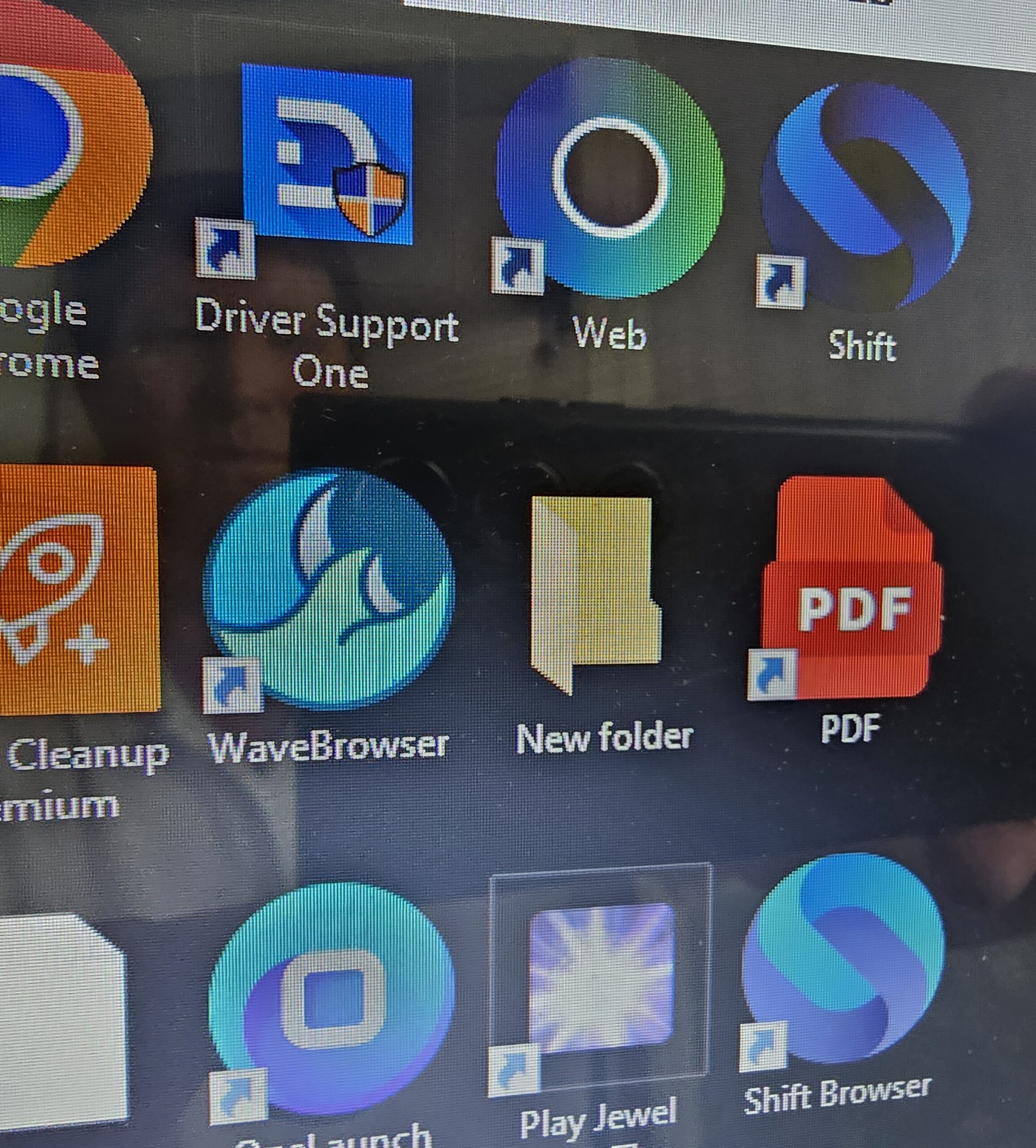 or Firefox
3. You have error messages that pop-up and say you have a problem.
4. When you do a search you arrive at a site you didn’t plan on arriving at.
5. You hare music or commercials playing that don’t belong with the website you’re visiting.
6. You have antivirus scanners or pc repair or optimizer utilities that run without prompting.
7. Your computer has a white screen or is locked or tells you you’ve violated the law and you must pay a fine.
8. You get a blue screen with a string of numbers that looks something like this: STOP code: 0x000000AD (0x00000001, 0x00000006, 0x85879410, 0x00000000)
9. Windows won’t load at all.
10. A weird looking browser shows up all the sudden that you do not recognize.
And there are many other ways a malware or viral infection can present on your machine. It is a good idea to take your computer to reputable computer repair shop for an annual virus check and virus removal if necessary. Below is some more information on the topic for your review: For immediate professional virus removal call us, today.
What is a computer virus?
According to webopedia.com a computer virus is a program or piece of code that is loaded onto your computer without your knowledge and runs against your wishes. A computer virus can be categorized into three groups: A binary virus (resides as an .exe), macro-virus (resides in a data program or file) or bootkit or rootkit virus (resides the boot sector of the hard drive). Computer virus infections can also spread from one computer to the other –usually via email. Not all computer viruses are meant to cause grave damage to your computer. However, with cybercrime on the rise, most viruses that are on the loose, as it were, are capable of damaging your computer and may also lead to identity theft and financial data theft and extortion schemes.
Why are computer viruses designed?
Most computer viruses are designed to extract money from you — not meant to destroy your software environment completely. But these do often times cause great harm to your computer’s software environment — even if unintended by the developer. Most computer viruses are designed by criminals with the intention of profit, by stealing your personal and financial information or by attempting to get your to pay for services and utilities you don’t need — or by redirecting you to websites where you might purchase a product sold by an interested party.
Where do viruses come from?
A virus is a program that is designed, which means that there is a programmer behind every virus that is being circulated. So every virus originates from a programmer. There are different reasons why a programmer may create a virus.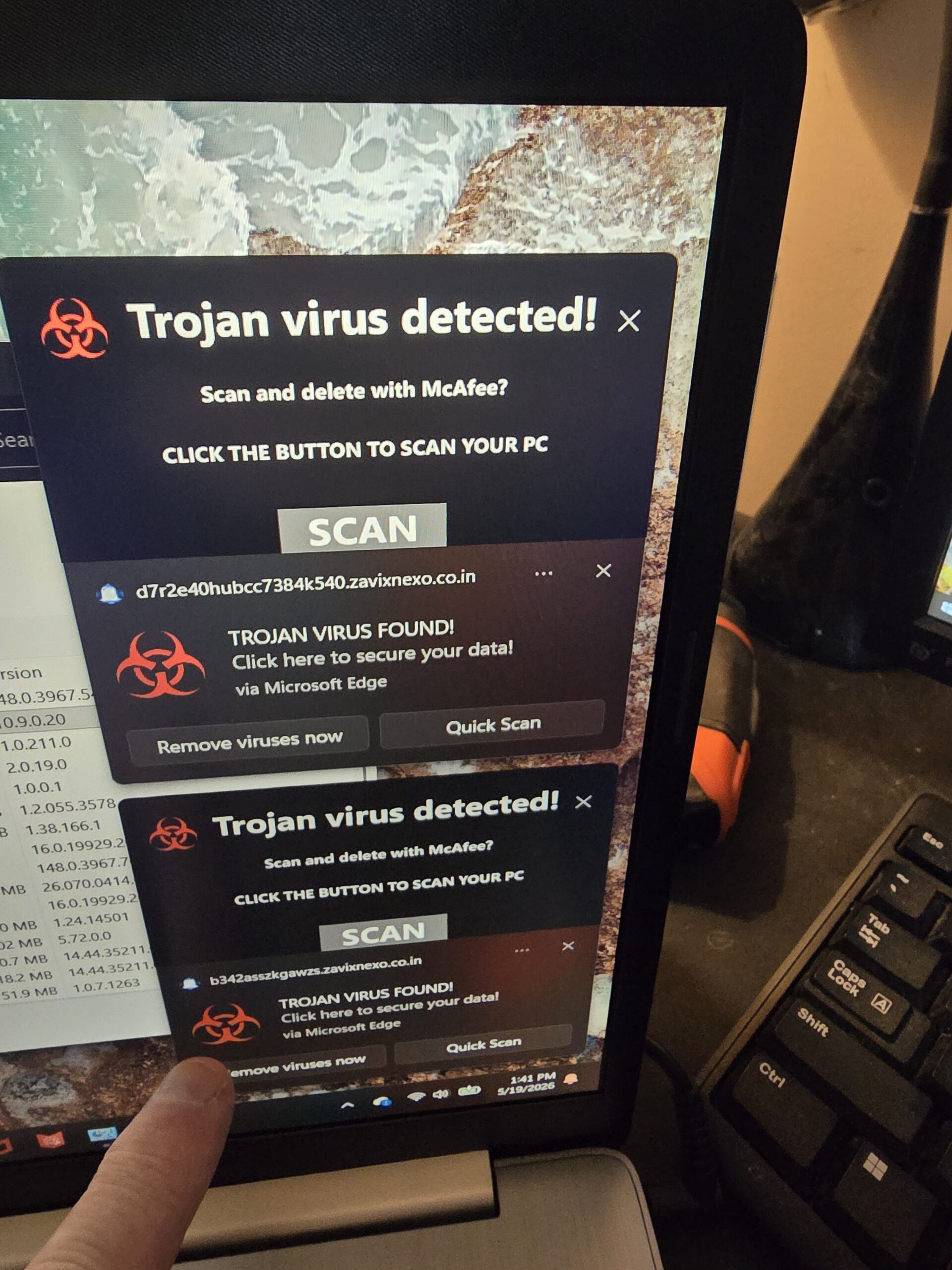 Mostly, modern viruses are created for criminal activities like extortion or theft of financial records, or credit and debit card details theft, identity theft, and so on. Other may just do it out of curiosity, just to show themselves and others that they can.
How do I protect myself?
Many infections can slip by antivirus software so it is best to learn good computer and web browsing habits to prevent all virus infections. I estimate that Norton, McAfee, Avast, and other popular antivirus products are protecting consumers from only about 10% of today’s insidious virus infections. I have multiple articles about virus prevention and better web browsing and computer habits on my blog which is the PC News tab on this website. The most important preventative is to improve your computer skills and become better at identifying threats.
How can I clean my computer if it is too late and I already have one?
I have some articles on basic virus removal on my blog on this website. However, unless you are highly experienced and professionally trained at virus removal, it is advisable to seek out a qualified computer repair shop or computer repair professional to ensure a complete removal. It is advisable to take your machine to a shop or have an onsite technician do a virus check on your computer during your annual computer tune-up.
Modern Computer Viruses Seen in the Last Two Years
Computer viruses and malware have changed a lot over the past couple of years. Most of what we see today isn’t just trying to damage your computer — it’s trying to steal your information or make money off your data. Below are some of the more common threats we’ve been dealing with recently.
Ransomware (locks your files and demands payment)
Ransomware is still one of the biggest problems out there, especially for small businesses and home users who don’t have proper backups.
Password Stealers (very common right now)
This is probably the fastest-growing type of infection we’re seeing. These programs quietly run in the background and collect saved passwords, browser data, and even crypto wallets.
Trojans / Remote Access Viruses
These are designed to give someone else control over your computer without you knowing. Once installed, they can watch what you do, capture keystrokes, or install additional malware.
Loader Infections (the “gateway” viruses)
These are especially tricky. Their only job is to get onto your computer and then quietly download other malware in the background.
Network Worms & Botnets
These infections spread across networks or devices and can be hard to contain once they get in.
Phishing-Based Malware (email and text message attacks)
A lot of today’s infections don’t start with a download — they start with a fake email or text message. These messages trick users into clicking a link or opening an attachment that installs malware or steals login information.
Fileless Malware (harder to detect and remove)
This type of attack doesn’t install traditional files on your computer. Instead, it runs in memory using built-in Windows tools, making it much harder for antivirus programs to detect and remove.
Computer Virus Removal in Louisville, KY is one of our specialties
At On-Site Louisville Computer Repair Co., we have removed thousands of computer viruses. We do it on a weekly basis. If you think you might have a virus on your computer, or if it’s painfully obvious you do, please feel free to contact us for a private phone consultation so we can help with virus removal or any of your other computer repair needs. We want you to be able to enjoy your computer and your overall computing experience, and we want your machine performing the way it should. We will remove any computer viruses and help you get protected and stay safe now—and in the future.
Don’t wait until the problem gets worse or your data is at risk. The sooner a virus or malware infection is addressed, the easier it is to prevent long-term damage and costly repairs. Call us today at (502) 963-3981 for fast, professional virus removal service. We offer convenient on-site service, same-day solutions in many cases, and the trusted, local support you can count on.